The 1960s were a defining era for Andhra Pradesh, marked by a growing cultural consciousness and a determination to preserve Telugu identity. After the formation of Andhra Pradesh in 1956, following the linguistic reorganization of states, there was a strong desire among intellectuals, writers, and policymakers to create institutions that would protect and enrich Telugu language, literature, and heritage.
The idea of creating a dedicated body for Telugu came from literary scholars and educationists who realized that Telugu needed institutional support similar to Sahitya Akademi in Delhi.
The government recognized the need to provide textbooks, translations, dictionaries, and research resources in Telugu to promote education and cultural pride.
There was also pressure from writers’ associations, universities, and academicians to establish an autonomous institution devoted to Telugu language.

In response to this cultural and academic demand, the Telugu Akademi was officially established in 1968 in Hyderabad (which was then the capital of united Andhra Pradesh). The government of Andhra Pradesh took the initiative to set up this institution as a hub for Telugu studies, publications, and development of educational resources.
Its headquarters were set up in Hyderabad.
The Akademi was modeled on the lines of other literary academies but with a stronger emphasis on educational publications and research.
Its mandate included publishing textbooks, translating scientific works into Telugu, developing glossaries, supporting research, and preserving Telugu literary classics.
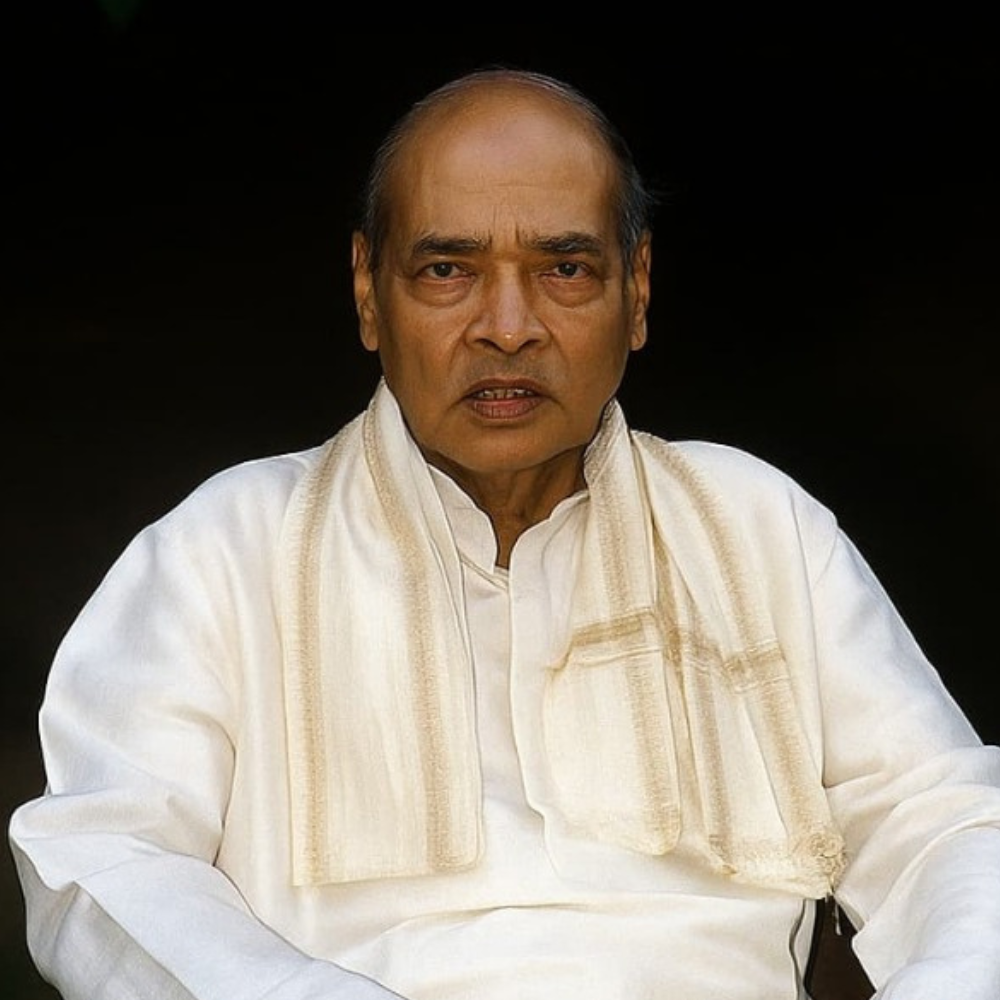
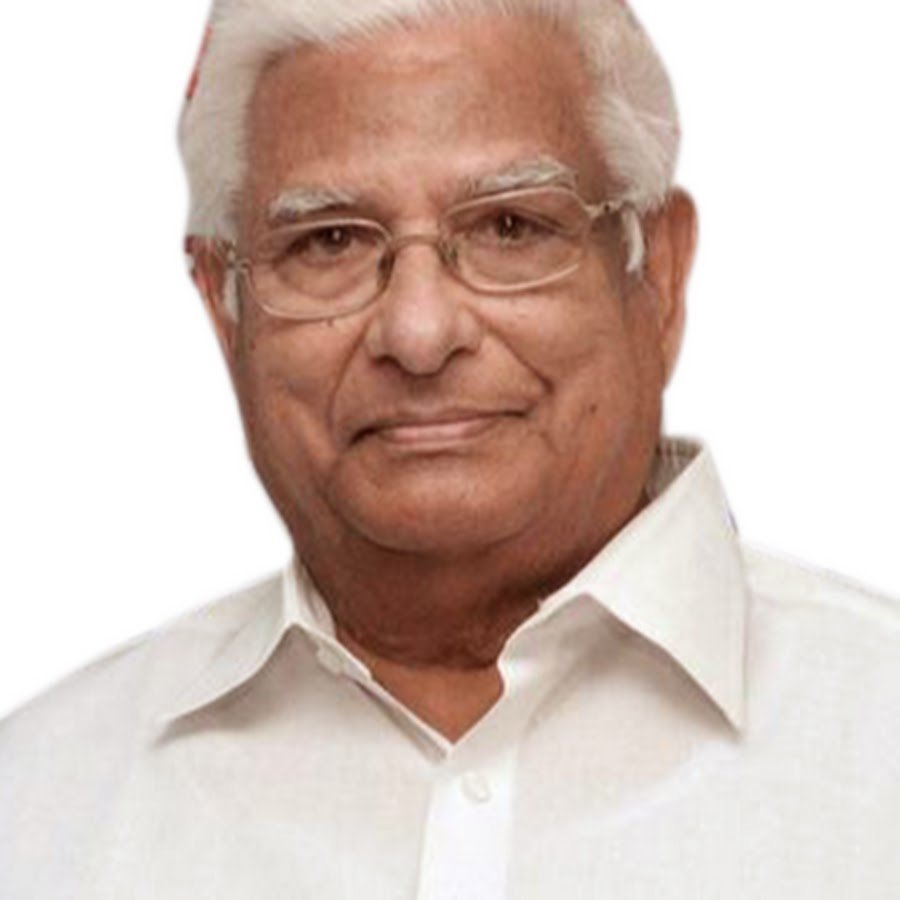
The success of any new institution depends greatly on its leadership, and in this respect the Telugu Akademi began its journey under an eminent scholar. The government appointed Dr. C. Narayana Reddy, the celebrated poet, academician, and later Jnanpith awardee, as its first Director. His appointment gave the Akademi both credibility and vision at a time when it needed strong guidance.
Dr. Reddy was known not only for his literary brilliance but also for his dedication to academic excellence. Under his leadership, the Akademi took firm steps toward ensuring that the textbooks and resources it produced were of high quality, authentic in content, and accessible to students. His vision was to make Telugu a strong medium of knowledge, on par with English or any other language. With his guidance, Telugu Akademi began to establish itself as a pioneer in educational publishing for Telugu-medium institutions.
From the beginning, the Akademi set for itself broad and ambitious goals. These objectives reflected both cultural pride and academic necessity. The central idea was to ensure that Telugu was not confined to homes and literature but became an integral part of classrooms, research institutions, and libraries.
The Akademi’s aims included:
Publishing and distributing textbooks in Telugu, especially for higher education.
Translating important scientific, technical, and social science works into Telugu to make them accessible to a wider audience.
Developing glossaries, dictionaries, and encyclopedias to standardize terminology and expand academic vocabulary.
Encouraging research on Telugu language, grammar, and literature.
Preserving classical works and folk traditions through modern publications.
Promoting Telugu as a medium of instruction in schools and colleges.
By setting these goals, the Akademi made it clear that it wanted to serve as a bridge between tradition and modernity—honoring the past while preparing the language for the challenges of the future.
Like any new institution, the Telugu Akademi encountered significant challenges in its formative years. One of the biggest difficulties was the shortage of experts capable of translating advanced subjects like physics, chemistry, mathematics, and engineering into Telugu. Creating technical terminology that was both precise and easy to understand was no small task. Financial limitations and lack of infrastructure also posed hurdles, and there was resistance from some sections of society who continued to prefer English-medium education.
Despite these obstacles, the Akademi managed to achieve some remarkable successes within its first decade. It published textbooks for undergraduate courses, making Telugu-medium higher education a reality for thousands of students. It also produced translations of key works in science and social sciences, opening up new avenues of learning. Gradually, the Akademi established a reputation as a trustworthy academic publisher, earning respect from teachers, students, and literary figures alike.
These early achievements proved that the establishment of Telugu Akademi was not just symbolic but a practical step toward strengthening the role of Telugu in education and cultural life.
The Telugu Akademi, established in 1968, did not come into existence overnight. It was the result of years of cultural, literary, and educational discussions aimed at strengthening the Telugu language. After the formation of Andhra Pradesh in 1956, intellectuals and cultural activists felt the need for an official institution to guide the systematic development of Telugu. The government of Andhra Pradesh responded by setting up the Akademi as a statutory body with a clear mission: to promote the growth, preservation, and teaching of Telugu at all levels of education.
The early years of the Akademi were marked by enthusiasm and commitment. Scholars, teachers, and writers from across the state came together to draft policies and projects that would benefit the community. Textbook development became the first major responsibility. At that time, most educational resources were either in English or adapted from other languages. The Akademi took on the challenge of producing high-quality Telugu textbooks for schools and colleges, ensuring that young students could learn in their mother tongue.
The leadership of the first Director of Telugu Akademi laid the foundation for its long-term success. Under his guidance, the institution focused on three major priorities:
Standardizing Telugu language resources for educational institutions.
Encouraging literary activities such as workshops, seminars, and writers’ meets.
Preserving classical Telugu works and publishing them in modern print formats.
His vision ensured that Telugu was not merely treated as a regional language but as a strong medium of knowledge, literature, and cultural identity. The efforts attracted the attention of teachers, universities, and cultural organizations.
Within the first decade, Telugu Akademi became well-known for its publishing wing. Thousands of textbooks, grammar books, and dictionaries were printed to fill the gap in Telugu-medium education. Research projects were also initiated to trace the evolution of Telugu from its roots in Prakrit and Sanskrit. The Akademi encouraged comparative studies of Telugu with Kannada, Tamil, and Sanskrit, establishing it as a research-driven institution.
Some of the remarkable early achievements include:
Publication of comprehensive Telugu-English and English-Telugu dictionaries.
Establishment of editorial boards with eminent scholars.
Development of standard terminology for science and technology in Telugu.
Organization of cultural festivals to spread awareness about Telugu literature and history.
These achievements set the tone for the future, ensuring that Telugu Akademi would not be limited to academic purposes but would also influence society at large.
The 1970s marked an important decade in the journey of Telugu Akademi. With the foundation already laid in the previous years, the institution began focusing on expanding its reach across Andhra Pradesh. During this period, the Akademi worked on creating high-quality academic books in Telugu that could be used in schools, colleges, and universities. This was a crucial step because it allowed students to study technical, scientific, and professional subjects in their mother tongue. For the first time, students pursuing subjects such as mathematics, physics, chemistry, biology, political science, and even engineering were able to access reliable Telugu versions of their textbooks.
The leadership of the directors who served during this decade ensured that the vision of making Telugu a medium of instruction was actively pursued. The Akademi set up committees of subject experts, writers, and editors to prepare textbooks that met university standards. These textbooks not only encouraged students but also reduced dependence on English-language material. By doing so, Telugu Akademi acted as a bridge between traditional literature and modern knowledge.
Alongside textbooks, the Akademi also started publishing cultural works and literary magazines that highlighted Telugu heritage. Various competitions and seminars were held to encourage writers, poets, and scholars to contribute to Telugu literature. The institution grew into a cultural hub that attracted teachers, students, and enthusiasts alike.
Introduction of subject-wise textbooks in Telugu
Establishment of expert committees for academic writing
Encouragement of scholars and poets through seminars and events
Contribution to making Telugu a stronger medium of higher education
The 1980s saw the Telugu Akademi expand its role beyond education into the wider cultural space. The vision during this period was not only to produce textbooks but also to promote Telugu arts, literature, folklore, and history. The directors of this decade focused on encouraging traditional literature while adapting it for the modern era. Books were published covering areas like Telugu poetry, ancient dramas, folk songs, and moral stories that resonated with the younger generation.
Another key contribution of the 1980s was the promotion of research in Telugu linguistics and grammar. The Akademi supported scholars who were working on documenting old manuscripts, editing classical works, and translating important literary texts. This helped in preserving rare works that would otherwise have been lost to time.
Cultural events became more prominent during this period. The Akademi began organizing Telugu literature conferences that brought together great poets, writers, critics, and readers. These conferences created awareness about the richness of Telugu and encouraged young talents to participate in writing competitions. By recognizing new poets and authors, the Akademi ensured that the literary tradition continued to thrive.
The Akademi also took steps to publish bilingual dictionaries, glossaries, and grammar books that helped bridge the gap between Telugu and English. This was especially helpful for students who were shifting between regional and international education systems.
Promotion of folklore, poetry, and cultural literature
Research and preservation of ancient Telugu manuscripts
Organization of large-scale literature conferences and competitions
Publication of bilingual dictionaries and glossaries
The Telugu Akademi, after laying strong foundations in the 1970s, shifted its focus in the 1980s and 1990s towards expanding its publication wing and academic resource creation. This phase was crucial as it not only produced textbooks for schools and colleges but also enriched higher education with authentic translations and original works. The Akademi emerged as the backbone for providing Telugu-medium learning material across various disciplines.
Development of school and intermediate textbooks in Telugu to standardize curriculum.
Publication of degree-level textbooks covering Science, Commerce, Arts, and Technology subjects.
Compilation of encyclopedic works like “Telugu Vignana Sarvasvam” which explained complex subjects in simple Telugu.
Translations of world classics into Telugu to enrich cultural and intellectual exposure.
Production of bilingual dictionaries and glossaries in Science and Technology for easy learning.
This period established the Akademi as the main publisher for Andhra Pradesh’s education system, bridging the gap between traditional Telugu literature and modern knowledge systems.
As Telugu Akademi matured, it expanded its influence into higher education and research-level projects. The organization took significant steps to ensure Telugu was not limited to schools but became a strong academic language capable of addressing complex subjects at university levels.
University collaborations for preparing research-based publications and academic references in Telugu.
Launch of specialized journals and magazines focusing on science, arts, and culture in Telugu.
Training programs for lecturers and teachers to adopt Telugu as a medium of instruction.
Creation of reference books and terminology guides for subjects like law, engineering, and medicine in Telugu.
Establishment of digital libraries and archives for preserving Telugu manuscripts and making them accessible to researchers.
Through these initiatives, the Akademi proved that Telugu could be a language of modern knowledge, not just culture and literature. It also empowered thousands of students from rural backgrounds to pursue higher education without facing language barriers.
As Telugu Akademi matured into the late 1980s and 1990s, its role expanded beyond simply producing textbooks. The Akademi began focusing on comprehensive academic research and publishing reference materials in diverse disciplines. These initiatives were aimed at strengthening Telugu as a language of higher education, science, and modern knowledge.
Encyclopedic Projects:
The Akademi launched several encyclopedic projects in Telugu to provide reference materials for students and researchers. These works helped place Telugu on par with other languages in academic depth.
Subject-Specific Publications:
Beyond literature and history, the Akademi published books on engineering, medicine, agriculture, and social sciences, ensuring Telugu-speaking students could access modern knowledge without language barriers.
Research Grants and Collaborations:
The Akademi offered support to scholars engaged in research on Telugu linguistics, folklore, literary criticism, and comparative studies. This helped preserve oral traditions and strengthen academic studies.
Workshops and Training:
Special programs were conducted to train teachers, translators, and writers in handling complex subjects in Telugu, ensuring quality and accuracy in publications.
Students gained access to quality Telugu medium textbooks at school, college, and university levels.
Scholars and researchers found a platform for publishing their work.
Telugu language expanded into technical and professional fields, boosting its relevance in education and employment.
With the dawn of the 21st century, Telugu Akademi began adapting to new technologies to keep pace with the digital revolution. The institution recognized the need to modernize its operations to reach younger generations who were increasingly relying on online platforms.
Digitization of Books:
The Akademi initiated projects to digitize its vast collection of textbooks, dictionaries, and reference books, making them accessible to students and readers worldwide.
E-Learning Platforms:
In collaboration with educational departments, Telugu Akademi began developing online learning modules and digital libraries, enabling students to learn in Telugu on computers and mobile devices.
Mobile Apps and Online Resources:
Efforts were made to introduce mobile apps for easy access to Telugu dictionaries, grammar guides, and storybooks. These resources were designed especially for students preparing for competitive exams.
Promotion of Telugu Typing and Unicode:
To keep Telugu alive in the digital world, the Akademi encouraged the adoption of Unicode standards, making it easier to type, publish, and share Telugu content online.
Students gained free access to learning materials online.
Teachers found innovative resources to enhance classroom learning.
Telugu language found its place in global digital spaces, ensuring it remained relevant in modern communication.
In the 2010s and beyond, Telugu Akademi has continued to expand its role in both education and cultural preservation, adapting to the demands of a globalized and digital world. Its mission now goes beyond textbooks to include promotion of Telugu culture, research, and literary excellence on national and international platforms.
Key Contemporary Initiatives:
Collaborations with Universities and Research Institutions: The Akademi now works closely with higher education institutions to develop research projects, academic conferences, and specialized journals in Telugu.
Cultural Outreach Programs: Large-scale literary festivals, poetry recitals, storytelling sessions, and folk art exhibitions are organized to connect younger generations with traditional Telugu culture.
Support for Writers and Scholars: Grants, fellowships, and awards are provided to writers, poets, and researchers, encouraging innovative work in literature, linguistics, and technology.
Digital Content Expansion: Online libraries, e-books, mobile apps, and multimedia resources are increasingly used to make Telugu literature and educational content accessible globally.
These initiatives reflect Telugu Akademi’s evolution into a dynamic institution, balancing preservation of classical heritage with promotion of modern education and digital literacy in Telugu.
Despite its achievements, Telugu Akademi continues to face challenges in a rapidly changing linguistic and educational landscape. The influence of English as a global language, the increasing preference for digital media, and funding constraints are ongoing issues.
Future Directions:
Integration of Technology in Education: Expanding e-learning tools, interactive online textbooks, and digital classrooms for Telugu-medium students.
Preservation of Rare Manuscripts: Digitization and archiving of ancient Telugu texts to prevent loss of literary heritage.
Promotion of Telugu Worldwide: Encouraging Telugu studies abroad and providing online resources for non-resident Telugu communities.
Encouraging Contemporary Literature: Supporting modern writers to produce works that reflect current social issues and global perspectives while keeping Telugu relevant to young audiences.
By addressing these challenges, Telugu Akademi aims to strengthen Telugu language and culture while ensuring it remains a living, evolving medium of education, literature, and communication.
From its inception in 1968 to the present day, Telugu Akademi has played a pivotal role in shaping the cultural and educational landscape of Andhra Pradesh. It transformed Telugu from a regional language to a robust medium capable of supporting modern knowledge, research, and global communication. By preserving classical literature, promoting new works, and embracing digital transformation, the Akademi continues to be the guardian of Telugu heritage and a driving force for its future development.